 Business License

Machine Vision Camera Modules: The Ultimate Guide for Smart Manufacturing and Industrial Inspection
Introduction
Machine vision has become one of the core technologies driving Industry 4.0, enabling factories to achieve higher productivity, improved quality control, and reduced operational costs. By replacing manual inspection with intelligent imaging systems, manufacturers can perform faster, more accurate, and more consistent inspections around the clock.
At the heart of every machine vision system lies the camera module. It is responsible for capturing high-quality images that software algorithms and AI models use to identify defects, measure dimensions, recognize objects, and guide automated equipment.
Unlike consumer cameras, machine vision camera modules are engineered for continuous operation, industrial environments, and high-precision imaging. They deliver stable performance under varying lighting conditions, support high-speed production lines, and integrate seamlessly with embedded processors and industrial controllers.
This comprehensive guide explores everything you need to know about machine vision camera modules—from their components and applications to key selection criteria and future trends.
What Is a Machine Vision Camera Module?
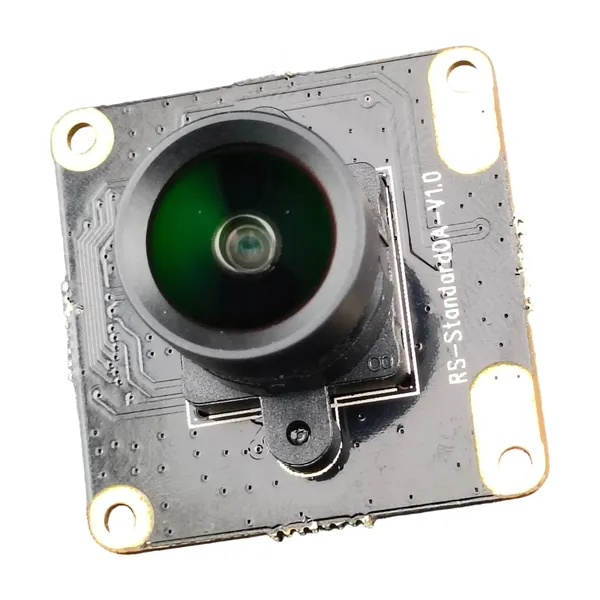
A machine vision camera module is a compact imaging system specifically designed for industrial image acquisition and computer vision applications.
Compared with ordinary camera modules, machine vision cameras emphasize:
High image consistency
Industrial reliability
Long-term stability
High frame rates
Accurate color reproduction
Low latency
Continuous 24/7 operation
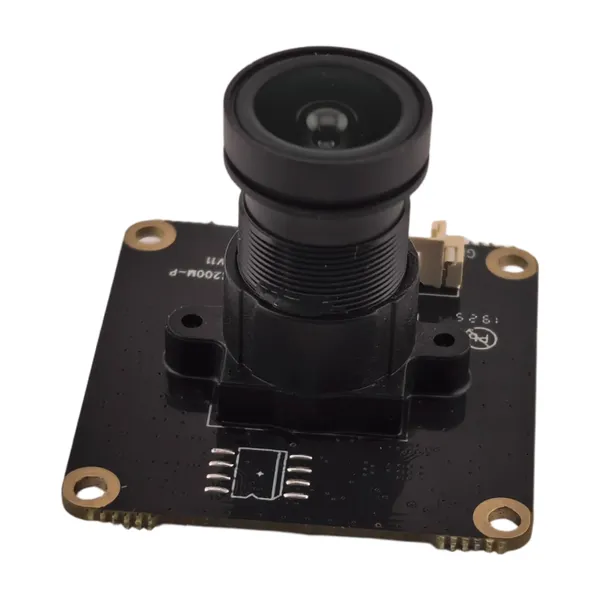
A typical module consists of:
CMOS image sensor
Precision optical lens
Image Signal Processor (ISP)
PCB
Communication interface
Mechanical housing (optional)
Synchronization circuitry (optional)
The captured images are processed by industrial computers, embedded AI platforms, PLCs, or edge computing devices.
Why Machine Vision Is Essential for Modern Manufacturing
Manufacturers face increasing pressure to:
Improve product quality
Reduce labor costs
Increase production efficiency
Minimize waste
Enable traceability
Machine vision helps achieve these goals by automating visual inspection.
Typical inspection tasks include:
Surface defect detection
Dimensional measurement
OCR verification
Barcode reading
QR code decoding
Assembly inspection
Color verification
Label positioning
Packaging inspection
Unlike human operators, machine vision systems maintain consistent accuracy over long production cycles.
Main Components of a Machine Vision Camera Module
1. Image Sensor
The image sensor determines image quality.
Popular resolutions include:
2MP
5MP
8MP
12MP
16MP
Sensor selection depends on:
Object size
Inspection accuracy
Production speed
Working distance
Large pixels generally improve low-light sensitivity, while higher resolutions provide more inspection detail.
2. Global Shutter Technology
Most industrial applications use global shutter sensors.
Advantages include:
No motion distortion
High-speed inspection
Accurate measurement
Better AI recognition
Typical applications:
Conveyor inspection
Pick-and-place robots
High-speed packaging
Semiconductor inspection
Rolling shutter cameras remain suitable for slower or static applications but are less ideal for fast-moving production lines.
3. Optical Lens
Lens selection directly affects image quality.
Important factors include:
Focal length
Aperture
Distortion
Working distance
Field of View (FOV)
High-quality optics ensure precise measurement and accurate defect detection.
4. Image Signal Processor (ISP)
The ISP performs real-time image optimization.
Functions include:
Auto Exposure
Auto White Balance
Noise Reduction
HDR processing
Color correction
Gamma adjustment
Lens distortion correction
Well-tuned ISP settings improve both human observation and AI algorithm performance.
Common Interfaces for Machine Vision Camera Modules
USB Camera Modules
Advantages:
Plug-and-play
Easy integration
UVC compatibility
Suitable for industrial PCs
Applications:
Laboratory equipment
Medical devices
Inspection workstations
MIPI CSI-2 Camera Modules
Advantages:
Low latency
Low power consumption
Compact size
High bandwidth
Applications:
Embedded AI
Robotics
Industrial controllers
Smart manufacturing equipment
Ethernet Vision Solutions
Suitable for:
Long-distance transmission
Distributed production lines
Multi-camera systems
AI Is Revolutionizing Machine Vision
Traditional vision systems relied on rule-based algorithms.
Today, AI enables:
Automatic defect classification
Surface anomaly detection
Object recognition
Predictive maintenance
Product sorting
Deep learning significantly improves inspection accuracy for complex products that were previously difficult to inspect automatically.
Applications of Machine Vision Camera Modules
Electronics Manufacturing
Inspection tasks include:
PCB assembly verification
Component positioning
Solder joint inspection
Connector verification
High-resolution global shutter cameras improve precision and reduce false detections.
Automotive Manufacturing
Machine vision supports:
Weld inspection
Paint quality inspection
Component assembly
Robot guidance
Tire inspection
Automotive production requires high reliability and consistent imaging performance.
Food and Beverage Industry
Vision systems inspect:
Packaging integrity
Label accuracy
Bottle fill levels
Cap placement
Foreign object detection
Food-grade production benefits from high-speed automated inspection.
Pharmaceutical Industry
Machine vision verifies:
Packaging
Expiration dates
Tablet counting
Label accuracy
Vial inspection
Strict quality standards make automated inspection essential.
Logistics and Warehousing
Applications include:
Barcode scanning
Parcel sorting
OCR
Warehouse robots
Automated guided vehicles (AGVs)
Fast image acquisition improves throughput and operational efficiency.
Smart Agriculture
Machine vision assists with:
Crop monitoring
Fruit grading
Livestock monitoring
Harvest automation
AI-powered cameras enable precision agriculture while reducing labor requirements.
How to Choose the Right Machine Vision Camera Module
Resolution
Choose the lowest resolution that meets inspection requirements.
Higher resolution increases:
Data bandwidth
Processing load
Storage requirements
without always improving inspection accuracy.
Frame Rate
Fast production lines require:
High FPS
Short exposure times
Stable synchronization
The required frame rate depends on conveyor speed and inspection cycle time.
Lighting Conditions
Evaluate:
Indoor lighting
Reflections
Backlighting
Outdoor environments
HDR sensors improve performance under challenging lighting conditions.
Lens Selection
Consider:
Viewing angle
Object distance
Optical distortion
Depth of field
Proper optics often contribute more to inspection accuracy than simply increasing sensor resolution.
AI Compatibility
Verify compatibility with platforms such as:
NVIDIA Jetson
Rockchip
Intel
Qualcomm
ARM processors
AI-ready camera modules simplify deployment of deep learning applications.
OEM Customization
Professional manufacturers typically offer:
Hardware
Sensor selection
PCB customization
Connector changes
Cable customization
Optics
Lens optimization
IR filters
Autofocus
Wide-angle options
Firmware
ISP tuning
Driver support
HDR optimization
Exposure algorithms
Mechanical
Waterproof housing
Compact enclosures
Mounting brackets
Customized solutions improve system integration and reduce engineering effort.
Common Mistakes When Selecting Machine Vision Cameras
Many projects fail because of avoidable mistakes.
Common issues include:
Choosing Resolution Instead of Overall Image Quality
Lens quality, lighting, and ISP tuning often have a greater impact on inspection performance.
Ignoring Lighting Design
Lighting accounts for a significant portion of machine vision success.
Poor illumination cannot be compensated for by expensive sensors alone.
Selecting the Wrong Interface
USB, MIPI, and Ethernet each serve different system architectures.
Choosing the correct interface simplifies integration and improves performance.
Focusing Only on Initial Cost
Reliable industrial systems require long-term component availability, engineering support, and stable manufacturing quality.
Future Trends
Machine vision technology continues evolving rapidly.
Key trends include:
AI-Powered Vision
Deep learning will replace many traditional rule-based inspection systems.
3D Vision
Stereo cameras and depth sensing will enable more advanced robotic perception.
Edge Computing
More image analysis will occur directly within embedded devices.
Faster Global Shutter Sensors
Next-generation sensors will support higher frame rates with lower power consumption.
Miniaturized Industrial Cameras
Smaller camera modules will enable compact robots, medical devices, and portable inspection equipment.
Frequently Asked Questions
What is the difference between a machine vision camera and a standard camera?
Machine vision cameras are optimized for industrial environments, continuous operation, and accurate image analysis, while consumer cameras prioritize photography and video recording.
Are global shutter sensors necessary for machine vision?
For high-speed inspection and moving objects, global shutter sensors are generally the preferred choice because they eliminate motion distortion.
Which interface is best for machine vision?
USB works well with industrial PCs and laboratory equipment, while MIPI is ideal for embedded AI systems. Ethernet is preferred for long-distance industrial networking.
Can machine vision camera modules be customized?
Yes. OEM manufacturers typically customize sensors, lenses, PCB layouts, firmware, connectors, housings, and ISP parameters to meet specific application requirements.
Conclusion
Machine vision camera modules are the foundation of modern industrial automation, enabling manufacturers to improve quality, reduce costs, and increase production efficiency through intelligent imaging.
Selecting the right solution requires careful consideration of image sensors, shutter technology, optics, interfaces, lighting conditions, AI compatibility, and long-term manufacturing support.
As AI, robotics, and Industry 4.0 continue to evolve, demand for reliable, customizable machine vision camera modules will continue to grow across industries ranging from electronics and automotive to healthcare, logistics, and agriculture.
Partnering with an experienced OEM camera module manufacturer ensures access to the engineering expertise, customization capabilities, and production quality required to build high-performance machine vision systems that remain competitive for years to come.
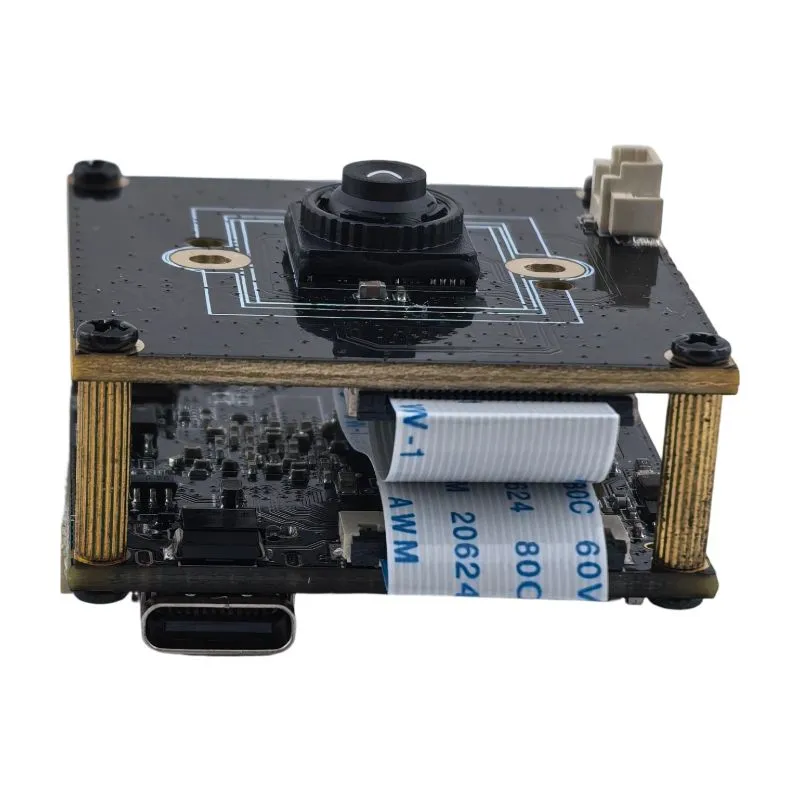
Why Choose Our Machine Vision Camera Modules?
We develop and manufacture OEM & ODM Machine Vision Camera Modules for industrial and embedded vision applications.
Our solutions include:
USB Machine Vision Camera Modules
MIPI CSI-2 Camera Modules
Global Shutter Camera Modules
HDR Industrial Cameras
AI Vision Camera Modules
Stereo Vision Cameras
High-Speed Inspection Cameras
OCR & Barcode Scanning Cameras
Embedded Vision Solutions
Custom Camera Module Development
From prototype design to high-volume manufacturing, our engineering team provides complete technical support to help customers accelerate product development and achieve reliable, long-term performance.
Recently Posted
-
AI Camera Module for Edge AI Vision: Technology, Applications and Selection Guide
August 11, 2026Artificial intelligence is transforming how machines understand and interact with the physical world.From industrial robots and sm Read More
 -
Global Shutter Camera Module for Machine Vision: Features, Benefits and Applications
August 11, 2026Machine vision technology has become a critical component in modern industrial automation, robotics, smart manufacturing, and qual Read More
 -
MIPI Camera Module for Embedded AI and Robotics: How to Choose the Right CSI-2 Camera
August 3, 2026Modern embedded AI systems increasingly depend on high-quality visual data.Robots, edge AI devices, industrial equipment, smart ca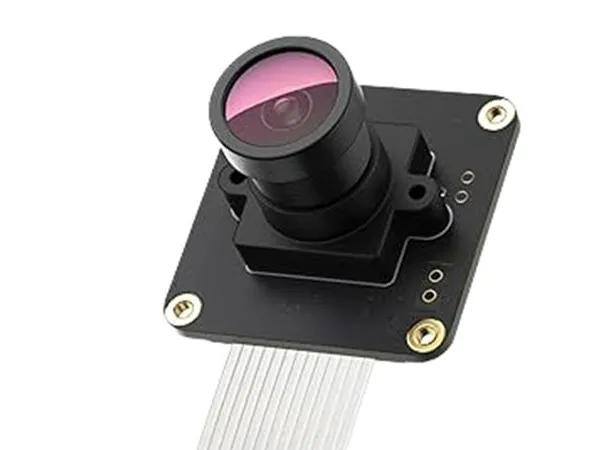 Read More
 -
USB Camera Modules for Embedded Vision: UVC, Resolution, Frame Rate and Interface Guide
August 3, 2026Embedded vision is becoming an important technology in industrial equipment, robotics, smart retail, medical devices, security sys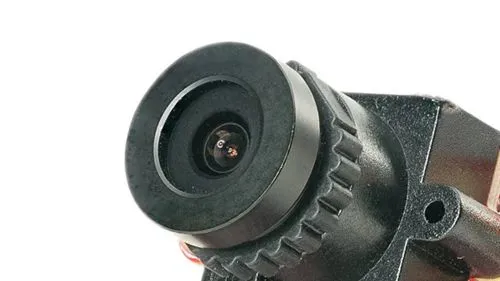 Read More

Contact Us
Recommended Products
-
 Embodied Robot Large‑model Data Collection Camera | Dual RGB Stereo Vision for 3D Depth ImagingNegotiableMOQ: 500 Pieces
 -
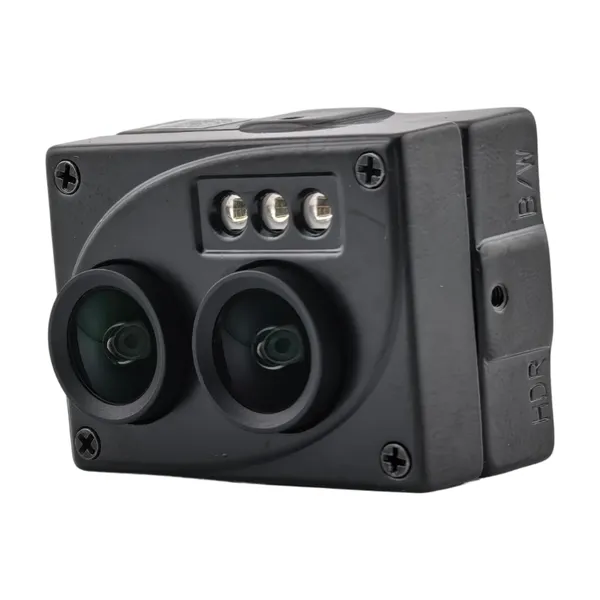
Dual 2MP HDR Binocular Face Recognition Camera for Warehouse Material Storage SystemNegotiableMOQ: 1000 Pieces
-
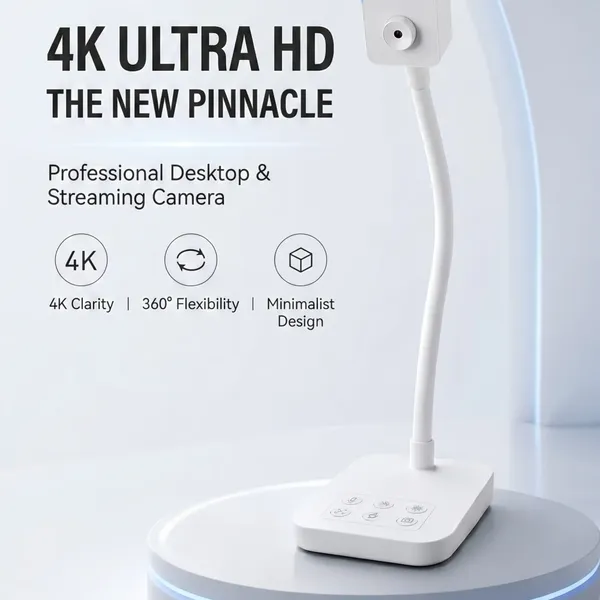
4K Ultra HD Desktop WebcamNegotiableMOQ: 1000 Pieces
-
1080P 2MP Fixed Focus USB Camera ModuleNegotiableMOQ: 500 Pieces
-
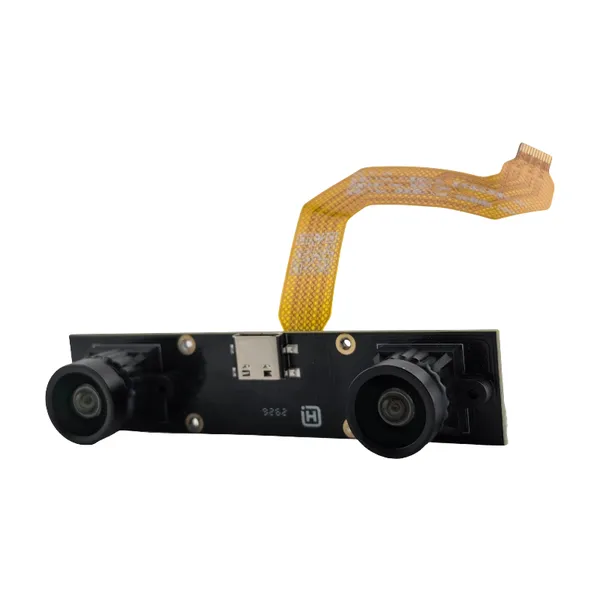
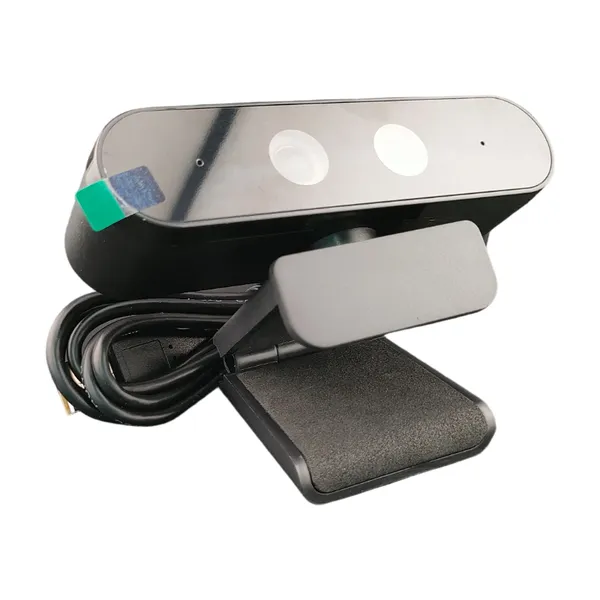
4MP+2MP Binocular Camera Module for Banking Financial SystemNegotiableMOQ: 500 Pieces
-
48MP High Resolution USB Camera Module 8000x6000 Fixed Focus UVC Free Driver Type-C InterfaceNegotiableMOQ: 500 Pieces
-
2MP + 2MP Binocular Face Recognition Camera Module With IR Liveness DetectionNegotiableMOQ: 500 Pieces
-
Pocket Thermal Imaging CameraNegotiableMOQ: 1000 Pieces
-
Dual 5MP RGB Global Shutter Stereo Camera Module | High-Accuracy Real-Time Depth Sensing USB Camera for Robotics & 3D VisionNegotiableMOQ: 500 Pieces
-
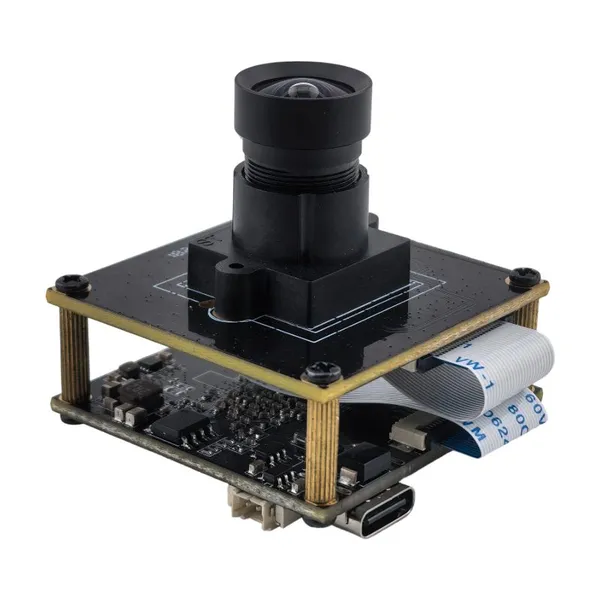
2MP 1080P HDR Network Camera Module With Auto IR-CUTNegotiableMOQ: 500 Pieces
-
1080P Full HD USB Camera Module | IR Night Vision IP66 Waterproof | 120° Wide Angle HDR | UVC Plug & Play | for Vehicle Outdoor SecurityNegotiableMOQ: 500 Pieces
-
3MP+2MP Binocular Face Recognition Camera Module (MIPI High-Speed Interface)NegotiableMOQ: 1000 Pieces
-
2MP 1080P HDR Camera Module 60fps High Frame Rate CMOS Sensor USB UVC Plug and Play Wide Dynamic Range Camera BoardNegotiableMOQ: 500 Pieces
-
2MP 1080P AHD Vehicle Camera Module for Motorcycle & Electric ScooterNegotiableMOQ: 1000 Pieces
-
Industrial Grade 5MP 110dB HDR Camera Module | Low Power Low Illumination CMOS USB Camera Board for Industrial Vision & Smart TerminalsNegotiableMOQ: 500 Pieces
-
1080P Outdoor Security IP CameraNegotiableMOQ: 500 Pieces
-
8MP 4K Sony IMX415 MIPI CSI-2 Camera ModuleNegotiableMOQ: 1000 Pieces
-
5MP HD USB Camera Module for Health Check Station & Medical Monitoring DevicesNegotiableMOQ: 500 Pieces
-
5MP HD Camera Module With Separate LED Fill Light for Supermarket Self-Checkout TerminalsNegotiableMOQ: 500 Pieces
-
1080P Full HD RJ45 IP Camera Module | Anti-Fog Design | H.264 & H.265 Encoding | Embedded Camera for Smart Unmanned Vending Machine & Retail CabinetNegotiableMOQ: 500 Pieces