 Business License

How AI Camera Modules Are Transforming Smart Devices: Applications, Benefits, and Future Trends
Introduction
Smart devices have evolved far beyond simple electronic products. Today's intelligent appliances, robots, kiosks, healthcare equipment, and security systems are expected to understand their surroundings, recognize people and objects, and respond automatically to changing environments.
This evolution is being driven by AI camera modules.
Unlike conventional camera modules that only capture images or videos, AI camera modules enable devices to analyze visual information in real time using embedded artificial intelligence. Combined with edge computing, advanced image sensors, and optimized image processing, these modules allow products to make intelligent decisions without relying on cloud servers.
From smart refrigerators and robot vacuums to industrial robots and medical diagnostic equipment, AI camera modules are becoming one of the most important components in modern embedded systems.
This article explains how AI camera modules work, their advantages, key applications, selection considerations, and future technology trends.
What Is an AI Camera Module?
An AI camera module is an imaging solution designed to work with artificial intelligence algorithms.
Instead of simply transmitting images to a computer, AI camera modules support intelligent visual analysis such as:
Face recognition
Object detection
Human pose estimation
Gesture recognition
Defect inspection
Barcode recognition
OCR
Vehicle detection
Scene understanding
Depending on the system architecture, AI processing may occur on:
Embedded NPUs
Edge AI processors
Industrial computers
Cloud-connected AI platforms
The camera module provides high-quality visual data that enables AI models to perform accurate analysis.
Why AI Vision Is Becoming Essential
Modern devices must operate autonomously and respond quickly.
Traditional cloud-based vision systems often suffer from:
Network latency
Privacy concerns
Bandwidth limitations
Higher operating costs
Edge AI solves these challenges by processing images locally.
Benefits include:
Faster response times
Lower latency
Better privacy protection
Reduced cloud dependency
Improved reliability
This is why Edge AI has become the preferred architecture for many intelligent devices.
Core Components of an AI Camera Module
A complete AI imaging system consists of several key technologies.
CMOS Image Sensor
The image sensor captures visual information.
Popular resolutions include:
2MP
5MP
8MP
12MP
16MP
Sensor selection depends on application requirements rather than simply choosing the highest resolution.
Optical Lens
The lens determines:
Viewing angle
Working distance
Optical distortion
Image clarity
Wide-angle lenses are often used for robotics and smart home devices, while standard lenses are preferred for industrial inspection and facial recognition.
Image Signal Processor (ISP)
The ISP optimizes image quality through:
Auto Exposure (AE)
Auto White Balance (AWB)
Noise Reduction
HDR processing
Color correction
Lens distortion correction
High-quality ISP tuning improves AI accuracy under various lighting conditions.
AI Processor
The AI processor performs image analysis using deep learning models.
Popular hardware platforms include:
NVIDIA Jetson
Rockchip NPU
Qualcomm AI platforms
Intel Edge AI
ARM-based AI processors
Advantages of AI Camera Modules
Real-Time Intelligent Recognition
AI camera modules can instantly recognize:
People
Objects
Products
Vehicles
Documents
QR codes
without requiring manual intervention.
Higher Automation
AI vision reduces human labor by automating:
Product inspection
Inventory monitoring
Access control
Customer analytics
Warehouse operations
Improved User Experience
Smart devices become more intuitive through:
Gesture control
Facial authentication
Intelligent interaction
Personalized settings
Better Privacy Protection
Because images are processed locally, sensitive visual information does not always need to be uploaded to cloud servers.
This approach is particularly valuable in healthcare, finance, and enterprise environments.
Applications of AI Camera Modules
Smart Home Appliances
Modern household products increasingly integrate AI vision.
Examples include:
Smart refrigerators
Intelligent ovens
Robot vacuum cleaners
Coffee machines
Smart mirrors
AI cameras help these devices recognize food, monitor usage, and improve automation.
Robotics
Robot vision relies heavily on AI camera modules.
Applications include:
Autonomous navigation
Obstacle avoidance
Object recognition
Pick-and-place operations
Human interaction
Smart Retail
Retailers use AI cameras for:
Customer counting
Shelf monitoring
Self-checkout
Inventory management
Product recognition
These systems improve operational efficiency while enhancing customer experiences.
Industrial Automation
Machine vision systems use AI cameras to perform:
Surface defect detection
Assembly verification
OCR
Product classification
Automated quality inspection
Medical Equipment
Healthcare applications include:
Skin analysis
Diagnostic imaging
Laboratory automation
Digital microscopy
Telemedicine
AI assists healthcare professionals by improving image interpretation and workflow efficiency.
Smart Security
AI-enabled security systems support:
Facial recognition
Intrusion detection
License plate recognition
Behavior analysis
Intelligent alarms
Compared with traditional surveillance systems, AI significantly reduces false alarms.
Choosing the Right AI Camera Module
Select the Appropriate Resolution
Choose image resolution based on the inspection target.
Higher resolution increases:
Processing load
Storage requirements
Bandwidth
without necessarily improving AI accuracy.
Evaluate Low-Light Performance
Many AI applications operate in challenging lighting environments.
Important features include:
HDR
Wide Dynamic Range
Infrared support
Low-noise sensors
Consider Frame Rate
Applications involving moving objects require higher frame rates.
Examples include:
Robot navigation
Sports analysis
Industrial inspection
Interface Selection
Common interfaces include:
USB
Suitable for:
Industrial PCs
Laboratory systems
Video conferencing
MIPI CSI-2
Recommended for:
Embedded AI
Mobile devices
Smart terminals
Robotics
Gigabit Ethernet
Suitable for:
Factory automation
Multi-camera installations
Long-distance image transmission
OEM Customization Services
Professional manufacturers provide comprehensive customization, including:
Hardware
Sensor selection
PCB redesign
Connector customization
Flexible cable design
Optics
Lens selection
Autofocus
IR filters
Field of view optimization
Software
ISP tuning
AI firmware
Driver development
Platform adaptation
Mechanical Design
Waterproof housing
Compact enclosures
Mounting structures
These services enable OEM customers to optimize camera modules for specific products and industries.
Future Trends
AI camera technology continues to evolve rapidly.
Major trends include:
More Powerful Edge AI
Embedded NPUs continue improving while reducing power consumption.
Multi-Camera Systems
Future devices will increasingly integrate:
Stereo vision
Depth cameras
3D perception
Better Image Sensors
Advances include:
Higher HDR performance
Improved low-light imaging
Faster frame rates
AI-Optimized ISP
Future ISPs will automatically optimize images according to AI model requirements.
Smaller Camera Modules
Miniaturization enables AI vision in wearable devices, drones, and compact industrial products.
Common Mistakes When Selecting AI Camera Modules
Choosing Resolution Instead of Image Quality
Lighting, optics, and ISP tuning often have a greater impact on AI performance than megapixel count.
Ignoring AI Platform Compatibility
Always verify support for your processor and AI framework before finalizing hardware.
Overlooking Environmental Conditions
Industrial, medical, and outdoor applications may require:
Wide operating temperatures
Dust protection
Waterproof housing
Vibration resistance
Forgetting Long-Term Supply
Industrial OEM projects often require stable component availability for five years or longer.
Frequently Asked Questions
Are AI camera modules the same as normal camera modules?
No. AI camera modules are designed to work with computer vision algorithms and intelligent image analysis, while standard camera modules primarily capture images or video.
Can AI camera modules work without the cloud?
Yes. Many modern AI camera modules support edge AI, allowing image analysis to be performed locally.
Which interface is best for AI devices?
MIPI CSI-2 is commonly preferred for embedded systems, while USB is suitable for industrial PCs and rapid development.
Can AI camera modules be customized?
Yes. OEM manufacturers typically customize sensors, optics, firmware, PCB design, connectors, and ISP parameters.
Conclusion
AI camera modules are transforming the capabilities of smart devices by enabling real-time visual intelligence, autonomous decision-making, and improved user experiences.
Whether used in robotics, industrial automation, healthcare, retail, or consumer electronics, AI vision systems depend on high-quality camera modules that combine advanced sensors, optimized optics, intelligent image processing, and reliable hardware design.
Choosing the right AI camera module requires balancing image quality, processing performance, environmental requirements, interface compatibility, and long-term production considerations.
By partnering with an experienced OEM camera module manufacturer, businesses can develop innovative AI-powered products that deliver superior performance and remain competitive in an increasingly intelligent world.
Why Choose Us?
We specialize in the design and manufacturing of OEM & ODM AI Camera Modules for embedded vision applications.
Our product portfolio includes:
AI Camera Modules
USB Camera Modules
MIPI CSI-2 Camera Modules
HDR Camera Modules
Global Shutter Cameras
Stereo Vision Systems
Machine Vision Solutions
Medical Imaging Modules
Smart Retail Cameras
Industrial Automation Cameras
We also provide:
ISP Image Optimization
Hardware & PCB Customization
Driver Development
Mechanical Design
Prototype Development
Mass Production Support
Our experienced engineering team works with OEMs worldwide to deliver customized imaging solutions for next-generation intelligent devices.
Recently Posted
-
AI Camera Module for Edge AI Vision: Technology, Applications and Selection Guide
August 11, 2026Artificial intelligence is transforming how machines understand and interact with the physical world.From industrial robots and sm Read More
 -
Global Shutter Camera Module for Machine Vision: Features, Benefits and Applications
August 11, 2026Machine vision technology has become a critical component in modern industrial automation, robotics, smart manufacturing, and qual Read More
 -
MIPI Camera Module for Embedded AI and Robotics: How to Choose the Right CSI-2 Camera
August 3, 2026Modern embedded AI systems increasingly depend on high-quality visual data.Robots, edge AI devices, industrial equipment, smart ca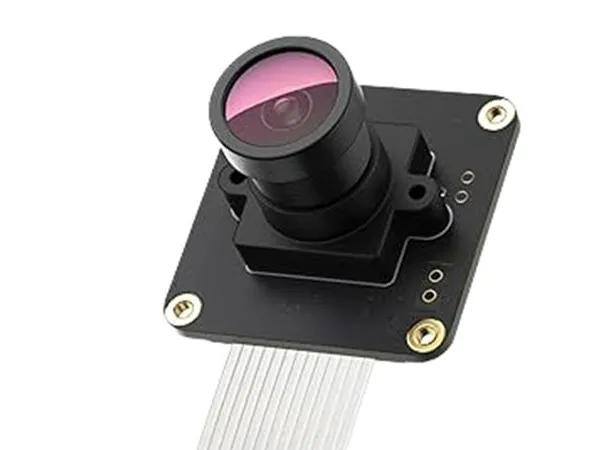 Read More
 -
USB Camera Modules for Embedded Vision: UVC, Resolution, Frame Rate and Interface Guide
August 3, 2026Embedded vision is becoming an important technology in industrial equipment, robotics, smart retail, medical devices, security sys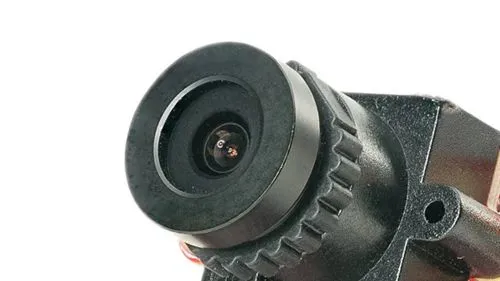 Read More

Contact Us
Recommended Products
-
 Embodied Robot Large‑model Data Collection Camera | Dual RGB Stereo Vision for 3D Depth ImagingNegotiableMOQ: 500 Pieces
 -
Dual 2MP HDR Binocular Face Recognition Camera for Warehouse Material Storage SystemNegotiableMOQ: 1000 Pieces
-
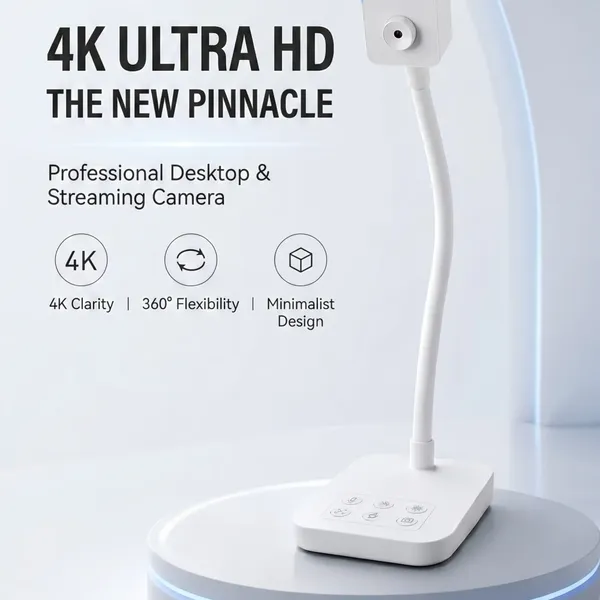
4K Ultra HD Desktop WebcamNegotiableMOQ: 1000 Pieces
-
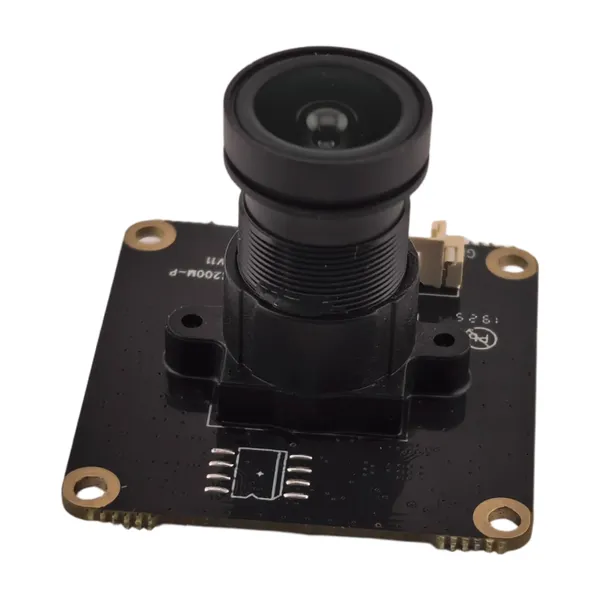
1080P 2MP Fixed Focus USB Camera ModuleNegotiableMOQ: 500 Pieces
-
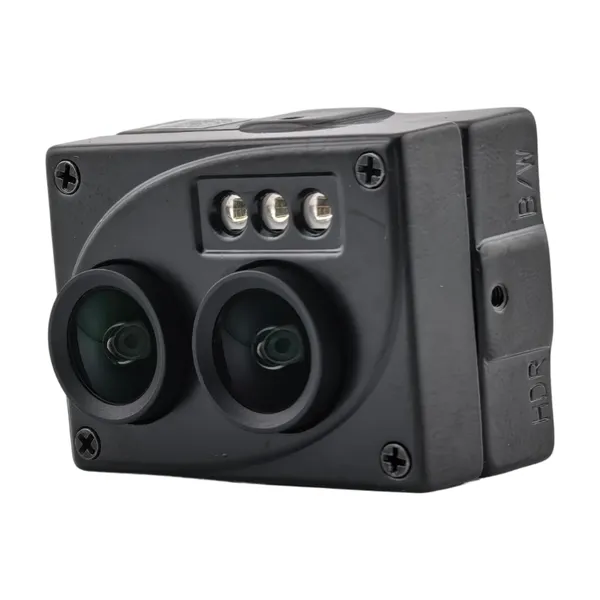
4MP+2MP Binocular Camera Module for Banking Financial SystemNegotiableMOQ: 500 Pieces
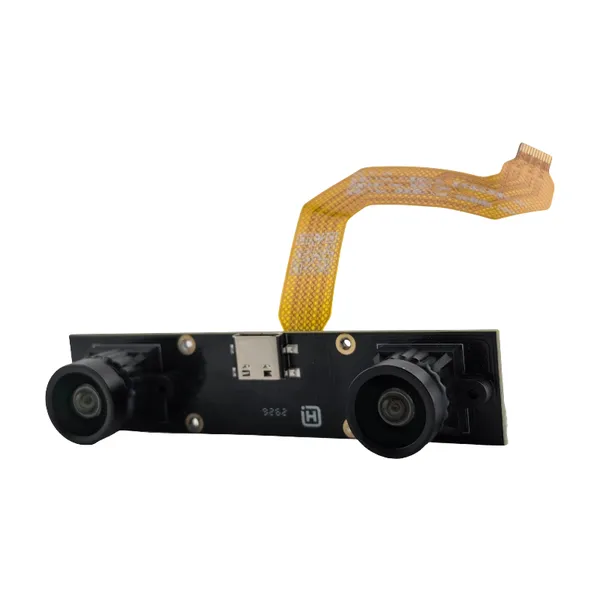
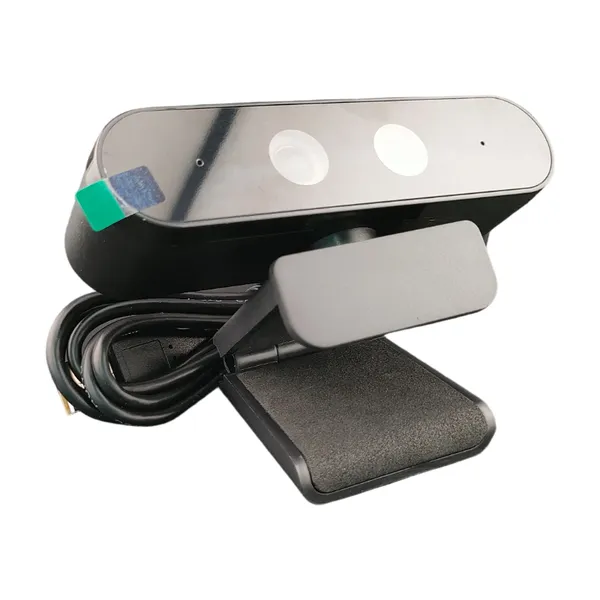
-
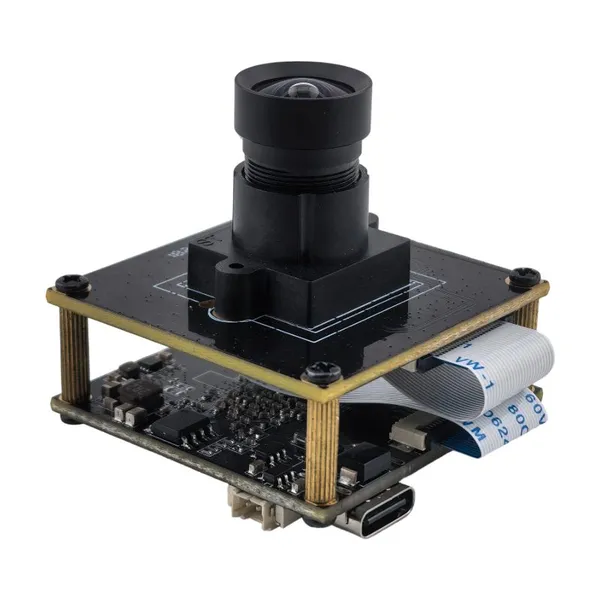
48MP High Resolution USB Camera Module 8000x6000 Fixed Focus UVC Free Driver Type-C InterfaceNegotiableMOQ: 500 Pieces
-
2MP + 2MP Binocular Face Recognition Camera Module With IR Liveness DetectionNegotiableMOQ: 500 Pieces
-
Pocket Thermal Imaging CameraNegotiableMOQ: 1000 Pieces
-
Dual 5MP RGB Global Shutter Stereo Camera Module | High-Accuracy Real-Time Depth Sensing USB Camera for Robotics & 3D VisionNegotiableMOQ: 500 Pieces
-
2MP 1080P HDR Network Camera Module With Auto IR-CUTNegotiableMOQ: 500 Pieces
-
1080P Full HD USB Camera Module | IR Night Vision IP66 Waterproof | 120° Wide Angle HDR | UVC Plug & Play | for Vehicle Outdoor SecurityNegotiableMOQ: 500 Pieces
-
3MP+2MP Binocular Face Recognition Camera Module (MIPI High-Speed Interface)NegotiableMOQ: 1000 Pieces
-
2MP 1080P HDR Camera Module 60fps High Frame Rate CMOS Sensor USB UVC Plug and Play Wide Dynamic Range Camera BoardNegotiableMOQ: 500 Pieces
-
2MP 1080P AHD Vehicle Camera Module for Motorcycle & Electric ScooterNegotiableMOQ: 1000 Pieces
-
Industrial Grade 5MP 110dB HDR Camera Module | Low Power Low Illumination CMOS USB Camera Board for Industrial Vision & Smart TerminalsNegotiableMOQ: 500 Pieces
-
1080P Outdoor Security IP CameraNegotiableMOQ: 500 Pieces
-
8MP 4K Sony IMX415 MIPI CSI-2 Camera ModuleNegotiableMOQ: 1000 Pieces
-
5MP HD USB Camera Module for Health Check Station & Medical Monitoring DevicesNegotiableMOQ: 500 Pieces
-
5MP HD Camera Module With Separate LED Fill Light for Supermarket Self-Checkout TerminalsNegotiableMOQ: 500 Pieces
-
1080P Full HD RJ45 IP Camera Module | Anti-Fog Design | H.264 & H.265 Encoding | Embedded Camera for Smart Unmanned Vending Machine & Retail CabinetNegotiableMOQ: 500 Pieces