 Business License

AI Camera Module for Edge AI Vision: Technology, Applications and Selection Guide
Artificial intelligence is transforming how machines understand and interact with the physical world.
From industrial robots and smart factories to intelligent terminals and security systems, visual AI has become one of the most important technologies in modern devices.
At the center of these applications is the AI camera module, which provides image data for artificial intelligence algorithms and computer vision systems.
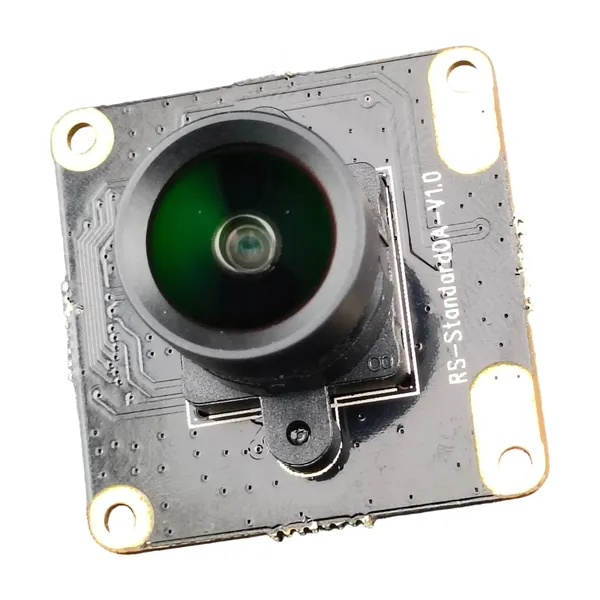
An AI camera module is not simply a camera. It is a complete imaging solution designed for AI-based analysis, including high-quality image capture, embedded processing compatibility, and optimized system integration.
What Is an AI Camera Module?
An AI camera module is a camera solution designed specifically for artificial intelligence and computer vision applications.
It typically includes:
CMOS image sensor
Lens system
Camera PCB
Interface
Firmware support
Image processing capability
Depending on the product architecture, AI camera modules may connect with:
AI processors
Edge computing devices
Embedded systems
Neural processing units (NPU)
GPUs
A typical AI vision system includes:
Camera Module → Image Processing → AI Model → Decision Output
Why AI Camera Modules Are Important for Edge AI
Traditional camera systems only capture images.
AI camera systems enable machines to understand visual information.
Examples:
A normal camera:
Captures an image.
An AI camera:
Detects objects, recognizes patterns, analyzes behavior, and makes decisions.
Edge AI camera modules process information closer to the device instead of sending all data to cloud servers.
Benefits include:
Lower latency
Faster response
Improved privacy
Reduced network usage
Real-time operation
Applications of AI Camera Modules
Smart Manufacturing
AI camera modules are widely used in factories for:
Defect detection
Product inspection
Robot guidance
Quality control
Production monitoring
AI vision systems can automatically identify manufacturing problems and improve production efficiency.
Robotics
Robots rely on cameras to understand their environment.
AI camera modules support:
Object recognition
Navigation
Human detection
Position tracking
Intelligent interaction
For advanced robotics, camera performance directly affects system intelligence.
Smart Security
AI cameras provide intelligent monitoring features:
Face recognition
People counting
Intrusion detection
Behavior analysis
Vehicle recognition
Smart Retail
AI camera modules enable:
Customer behavior analysis
Smart checkout
Product recognition
Interactive displays
Medical and Healthcare Equipment
Compact AI camera modules can support:
Medical imaging devices
Patient monitoring
Diagnostic assistance systems
Important Factors When Choosing an AI Camera Module
1. Image Sensor Selection
The image sensor determines:
Image quality
Resolution
Sensitivity
Frame rate
Dynamic range
Common AI camera resolutions include:
2MP
5MP
8MP
12MP
48MP
Higher resolution is not always better.
The correct sensor should match:
AI model requirements
Processing capability
Application distance
2. Interface Compatibility
AI camera modules commonly use:
USB Interface
Suitable for:
AI computers
Industrial PCs
Development platforms
MIPI CSI-2 Interface
Suitable for:
Embedded AI processors
Robotics platforms
Edge devices
The camera interface must match the target hardware platform.
3. Global Shutter for AI Vision
Many AI applications involve movement.
Examples:
Robots
Vehicles
Industrial machines
Global shutter sensors can improve AI accuracy by reducing motion distortion.
They are especially useful for:
Object tracking
Measurement
Fast-moving target recognition
4. Stereo and Depth AI Camera
Many AI applications require depth information.
Stereo camera modules use two sensors to estimate distance.
Applications include:
Robot navigation
3D recognition
Gesture control
Autonomous systems
Depth cameras provide additional information beyond traditional RGB images.
OEM AI Camera Module Development
Different AI products require different camera designs.
OEM customization may include:
Sensor selection
Optical design
Camera size
Interface customization
Firmware development
Image tuning
Stereo configuration
IR camera design
A professional camera module manufacturer can help optimize the complete AI vision solution.
How to Select an AI Camera Module Manufacturer
Important evaluation criteria include:
✔ Sensor integration capability
✔ Optical engineering experience
✔ Embedded system knowledge
✔ Image tuning ability
✔ OEM/ODM experience
✔ Production capability
✔ Quality management system
Shenzhen Ruishi Technology specializes in camera module development and manufacturing, providing customized USB camera modules, MIPI camera modules, AI camera modules, and stereo vision camera solutions for global customers.
Conclusion
AI camera modules are becoming a key component in intelligent devices, robotics, industrial automation, and edge AI systems.
Successful AI vision products require more than a high-resolution sensor. Engineers must consider:
Sensor performance
Interface compatibility
AI processing requirements
Lens design
Image quality
System integration
Choosing an experienced AI camera module manufacturer can significantly reduce development time and improve product reliability.
Shenzhen Ruishi Technology provides OEM/ODM AI camera module solutions for intelligent devices, robotics, industrial vision, and embedded AI applications.
Recently Posted
-
Global Shutter Camera Module for Machine Vision: Features, Benefits and Applications
August 11, 2026Machine vision technology has become a critical component in modern industrial automation, robotics, smart manufacturing, and qual Read More
 -
MIPI Camera Module for Embedded AI and Robotics: How to Choose the Right CSI-2 Camera
August 3, 2026Modern embedded AI systems increasingly depend on high-quality visual data.Robots, edge AI devices, industrial equipment, smart ca Read More
 -
USB Camera Modules for Embedded Vision: UVC, Resolution, Frame Rate and Interface Guide
August 3, 2026Embedded vision is becoming an important technology in industrial equipment, robotics, smart retail, medical devices, security sys Read More
 -
How to Choose the Best Camera Module Manufacturer: 15 Key Factors Every OEM Buyer Should Know
July 24, 2026IntroductionSelecting the right camera module manufacturer is one of the most important decisions an OEM company can make during p Read More

Contact Us
Recommended Products
-
 Embodied Robot Large‑model Data Collection Camera | Dual RGB Stereo Vision for 3D Depth ImagingNegotiableMOQ: 500 Pieces
 -
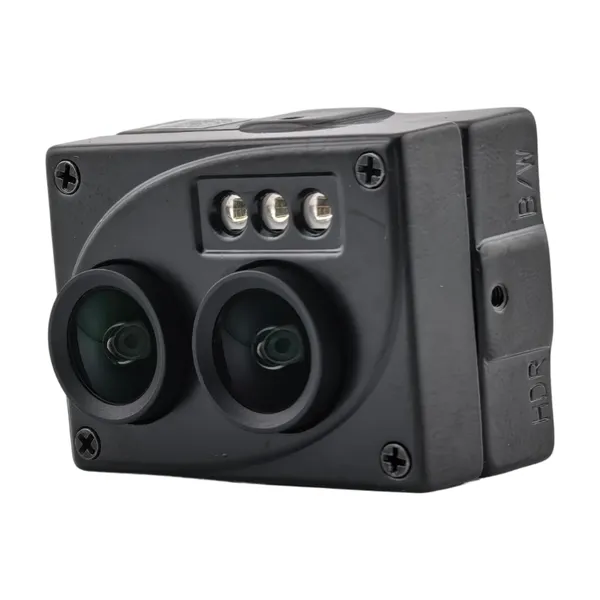
Dual 2MP HDR Binocular Face Recognition Camera for Warehouse Material Storage SystemNegotiableMOQ: 1000 Pieces
-
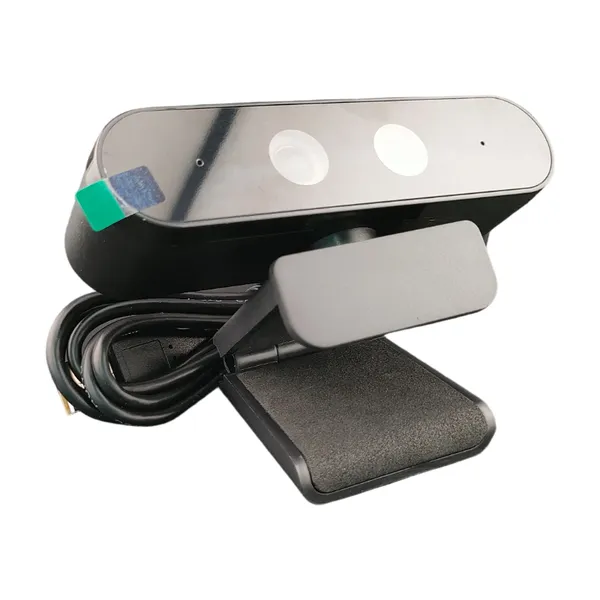
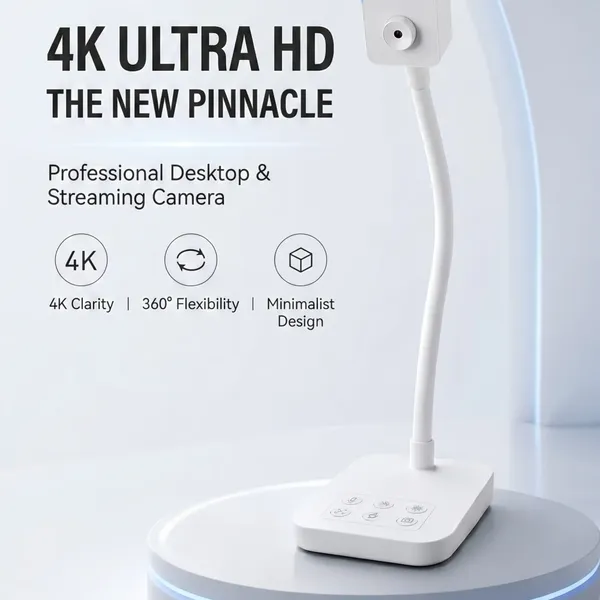
4K Ultra HD Desktop WebcamNegotiableMOQ: 1000 Pieces
-
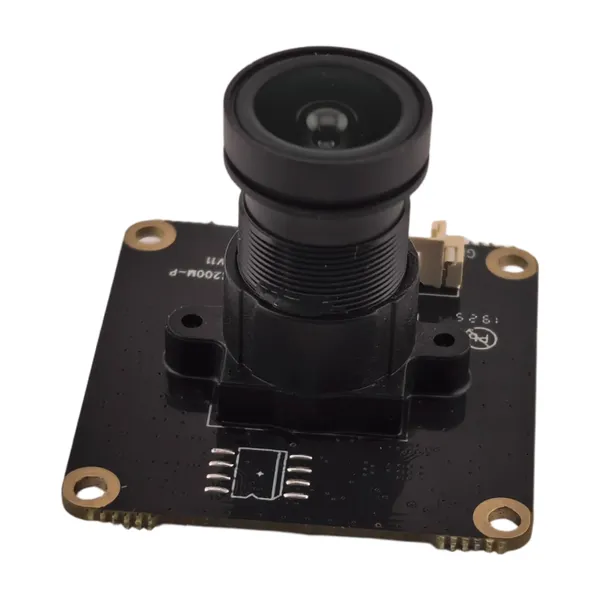
1080P 2MP Fixed Focus USB Camera ModuleNegotiableMOQ: 500 Pieces
-
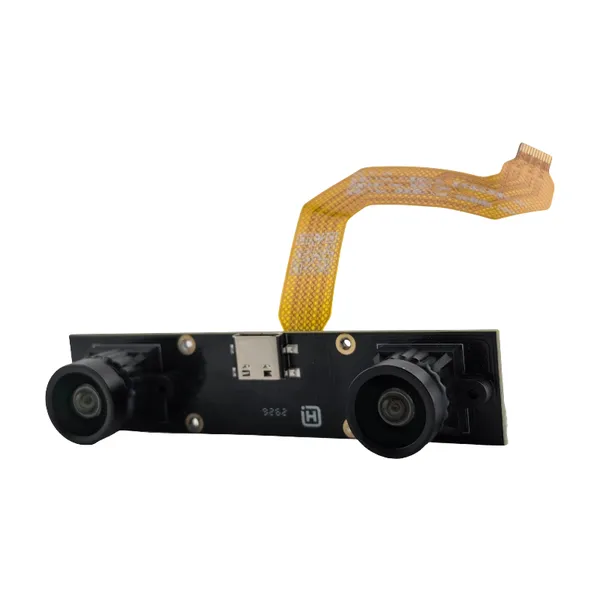
4MP+2MP Binocular Camera Module for Banking Financial SystemNegotiableMOQ: 500 Pieces
-
48MP High Resolution USB Camera Module 8000x6000 Fixed Focus UVC Free Driver Type-C InterfaceNegotiableMOQ: 500 Pieces
-
2MP + 2MP Binocular Face Recognition Camera Module With IR Liveness DetectionNegotiableMOQ: 500 Pieces
-
Pocket Thermal Imaging CameraNegotiableMOQ: 1000 Pieces
-
Dual 5MP RGB Global Shutter Stereo Camera Module | High-Accuracy Real-Time Depth Sensing USB Camera for Robotics & 3D VisionNegotiableMOQ: 500 Pieces
-
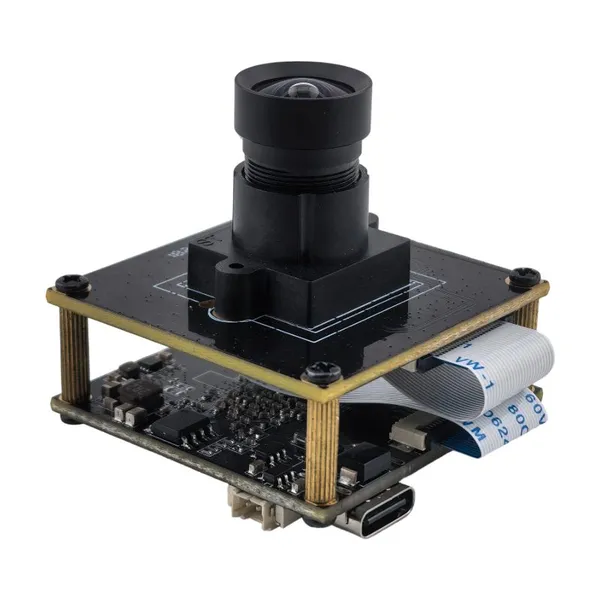
2MP 1080P HDR Network Camera Module With Auto IR-CUTNegotiableMOQ: 500 Pieces
-
1080P Full HD USB Camera Module | IR Night Vision IP66 Waterproof | 120° Wide Angle HDR | UVC Plug & Play | for Vehicle Outdoor SecurityNegotiableMOQ: 500 Pieces
-
3MP+2MP Binocular Face Recognition Camera Module (MIPI High-Speed Interface)NegotiableMOQ: 1000 Pieces
-
2MP 1080P HDR Camera Module 60fps High Frame Rate CMOS Sensor USB UVC Plug and Play Wide Dynamic Range Camera BoardNegotiableMOQ: 500 Pieces
-
2MP 1080P AHD Vehicle Camera Module for Motorcycle & Electric ScooterNegotiableMOQ: 1000 Pieces
-
Industrial Grade 5MP 110dB HDR Camera Module | Low Power Low Illumination CMOS USB Camera Board for Industrial Vision & Smart TerminalsNegotiableMOQ: 500 Pieces
-
1080P Outdoor Security IP CameraNegotiableMOQ: 500 Pieces
-
8MP 4K Sony IMX415 MIPI CSI-2 Camera ModuleNegotiableMOQ: 1000 Pieces
-
5MP HD USB Camera Module for Health Check Station & Medical Monitoring DevicesNegotiableMOQ: 500 Pieces
-
5MP HD Camera Module With Separate LED Fill Light for Supermarket Self-Checkout TerminalsNegotiableMOQ: 500 Pieces
-
1080P Full HD RJ45 IP Camera Module | Anti-Fog Design | H.264 & H.265 Encoding | Embedded Camera for Smart Unmanned Vending Machine & Retail CabinetNegotiableMOQ: 500 Pieces